
5.8GHZ Microwave Radar Motion Sensor Module
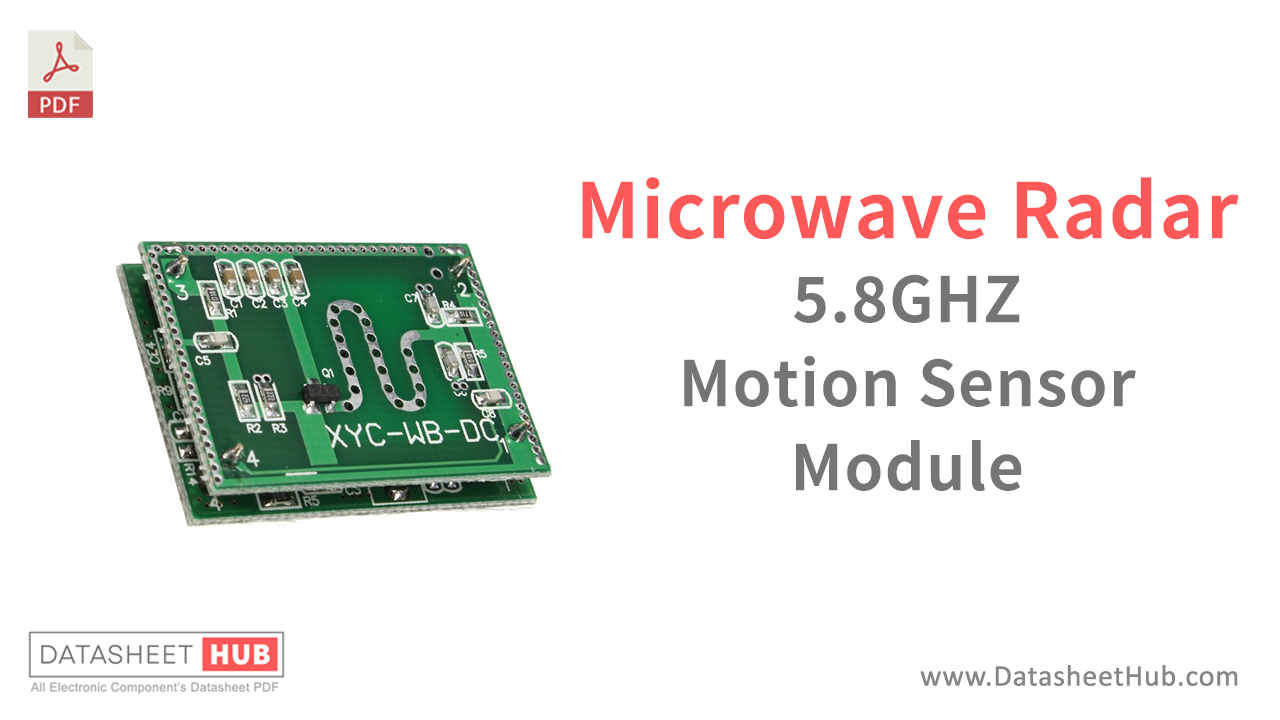
5.8GHZ overview
The 5.8GHZ is a Microwave Radar Motion Sensor Module. Main ratings: Working voltages are between 3.3-20VDC; Transmit power is <2mW; The working environment temperature is almost -20 ~ +80 Centigrade; The output signal is a TTL level. it will be high->3.3V/ and it will be Low->0V. This page brings together the 5.8GHZ pinout and key specifications, with the full datasheet PDF to preview below or download.
The frequency of the Microwave radar motion sensor module is 5.8GHz. This microwave module will not affect any 5 GHz home WIFI devices. The microwave motion sensor can also be used as an alternative to PIR motion sensors. This doppler motion sensor gives a wider angle field of view. In the shape, it is slimmer than the PIR sensor. This radar sensor consumes less power. This sensor uses less power so you can use this Microwave radar module over the PIR sensor. It operates on 5.8 GHz frequency so it will work through walls also. You have to attach a microcontroller with it to process the data. Hold that sensor on the board with the white connector facing away from you, the rightmost pin R1 is the Analog output pin. The center pin is just for ground and the left-most pin is for Vcc. You can give 5V with Arduino.
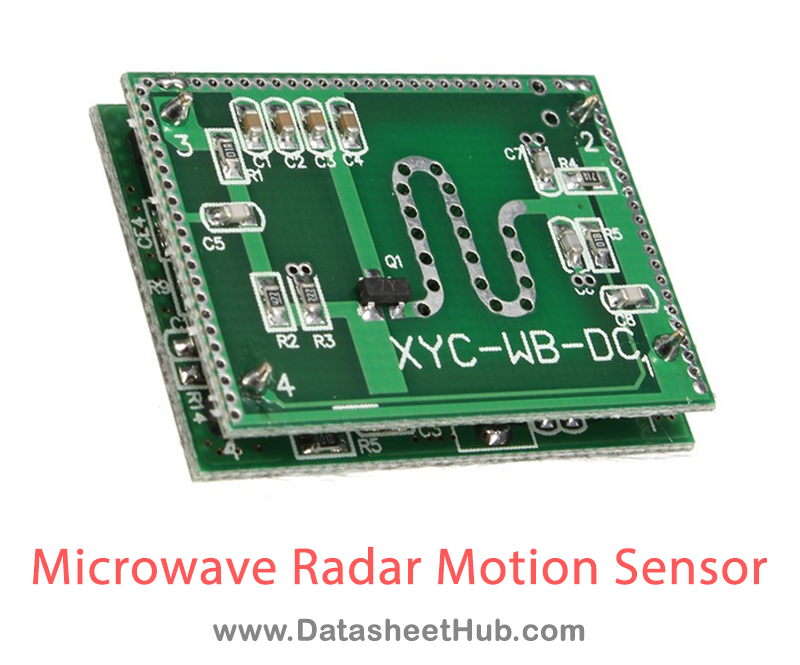
Key specifications
Datasheet
5.8GHZ features
- This Microwave sensor uses a planar antenna and then receives the echo.
- The Switch is the active sensor.
- The Sensors through high-frequency electromagnetic waves and this sensor receive them for the echo.
- This Sensor Detects changes within for echo.
- The Sensors Detect small changes in the detect range.
- This Sensor Sends the signal to MCU and executes instructions.
- These Radar sensor signals are likely to be detected through the door, glass, and thin walls.
- This Microwave radar module gets the best probe result if a person moves toward the sensor.
- It Has a Repeat Trigger by default
5.8GHZ pinout

5.8GHZ applications
- Security
- Intelligent Lighting
- Body sensors toys
- Industrial automation and control
- Auto-sensing electrical equipment
- Battery-powered automatic control
Comments 0
Leave a comment